


Gum Disease Treatment in Long Island, NY
Click above to see reviews.
Know the Signs of Gum Disease
Are your gums red, swollen, or quick to bleed when you brush? You could be one of the many American adults living with gum disease. According to the CDC, about 4 in 10 U.S. adults age 30 and older had some level of periodontitis, the advanced form of gum disease, between 2009 and 2014.
Oftentimes, gum disease becomes serious before you even notice it. That’s why it helps to know what to look for! Common signs include:
- Red, swollen, or tender gums
- Gums that bleed easily
- Gums pulling away from the teeth, making the teeth look longer
- Loose or sensitive teeth
- Pain while chewing
- Persistent bad breath
- A change in the way your teeth fit together when you bite
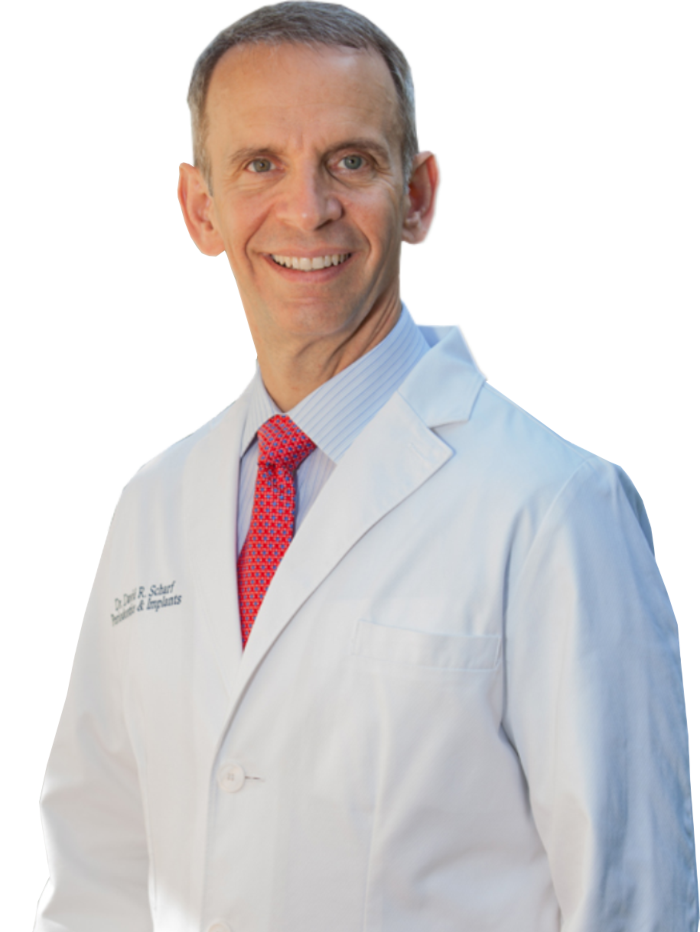
If any of these sound familiar, don’t wait. It’s time to schedule an evaluation with Dr. Scharf or Dr. Mukhtar at our Babylon office.

Watch: Gum Disease Treatment Videos
Dr. Scharf Explains LANAP Laser Gum Treatment
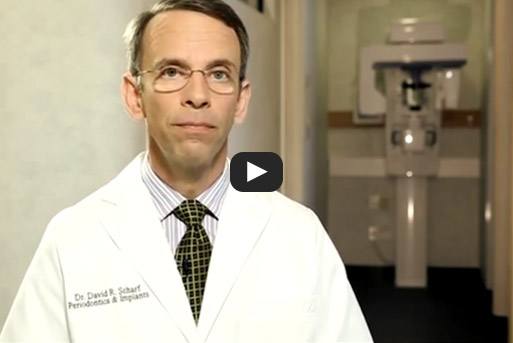
Patient Story: Joe’s LANAP Experience
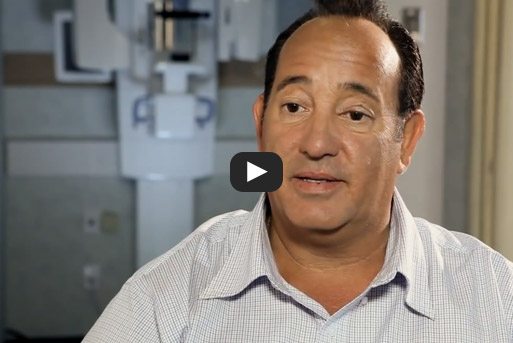
How Laser Periodontal Therapy Works
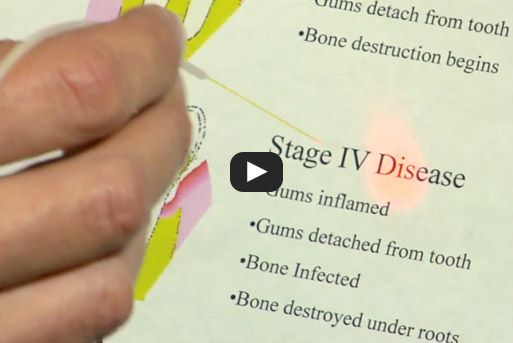
Understanding Your Gum Disease Treatment Options
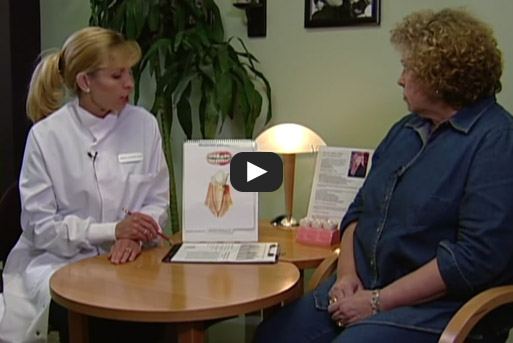
What Causes Gum Disease?

It all starts with plaque. Bacteria in your mouth are constantly forming plaque, a sticky film on the surface of your teeth. Brushing and flossing remove it, but when plaque is left behind, it can harden into tartar (also called calculus). Once plaque hardens into tartar, only a professional cleaning can remove it.
The bacteria in plaque and tartar trigger inflammation in your gums. Over time, bacteria can spread below the gumline and create periodontal “pockets,” which are abnormal spaces between your teeth and gums. As the infection continues, it destroys the gum tissue and bone that hold your teeth in place.
Believe it or not, your habits play a role too! Smoking and other tobacco use is the most significant risk factor for gum disease. Diabetes, genetics, older age, stress, certain medications, and hormonal changes are also risk factors.
Gingivitis vs. Periodontitis: What’s the Difference?
Not all gum disease is the same. Gingivitis is the mildest form. Your gums may look red and swollen and bleed easily. The good news? Gingivitis is reversible with daily brushing, flossing, and regular professional cleanings!
If gingivitis goes untreated, it can progress to periodontitis. Periodontitis destroys the tissues that support your teeth, including the bone around them. It can’t be reversed, but professional treatment can slow it down and keep it under control. That’s important, because along with tooth decay, periodontitis is one of the two leading causes of tooth loss.
What Happens at My First Appointment?
When you meet with our periodontists, you can expect a thorough examination of your gums and teeth. Dr. Scharf or Dr. Mukhtar will:
- Check your gums for inflammation, bleeding, and recession
- Measure the pockets around your teeth with a small probe (healthy pockets usually measure 1 to 3 millimeters, and deeper pockets can be a sign of gum disease)
- Take X-rays to look for bone loss
- Review your medical history, including risk factors like tobacco use and diabetes
From there, we’ll let you know if gum disease is present, how far it has progressed, and which treatments fit your case. Some cases can be treated without surgery, while others need more advanced care.
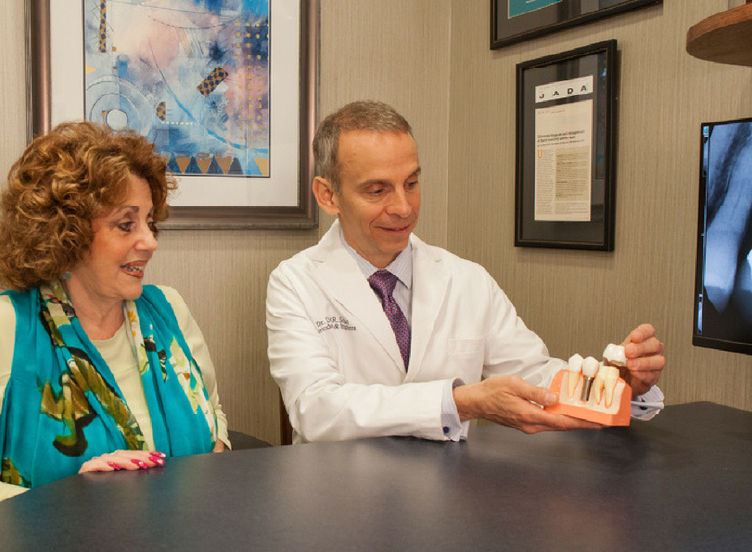
Our Gum Disease Treatment Options
The right treatment depends on how far your gum disease has progressed. Our periodontists offer non-surgical treatment, laser therapy, and surgical and regenerative procedures, and we’ll explain your options before treatment begins.
Scaling and Root Planing
Think of scaling and root planing as a deep cleaning for your gums. This non-surgical treatment removes plaque and bacterial toxins from your tooth roots below the gumline. Then, the root surfaces are smoothed to help keep plaque from sticking again. Many patients don’t need any additional treatment afterward, though most will need ongoing maintenance care. Learn about scaling and root planing.

Perioscopy
What if we could see below your gums without cutting them open? With perioscopy, we can! A tiny dental endoscope lets us look inside the gum pocket and get a magnified view of the tooth root. That means we can get the root thoroughly clean without cutting and stitching your gums. Our office uses endoscopes from Zest Dental and the DeVA-1 by OraVu, and Dr. Scharf was the first periodontist on Long Island to treat gum disease with perioscopy. Learn about perioscopy.
LANAP Laser Gum Therapy
Worried about gum surgery? LANAP may be an option for you. The Laser-Assisted New Attachment Procedure (LANAP) treats moderate to severe gum disease using the PerioLase MVP-7 dental laser. Even better, the LANAP protocol has U.S. FDA clearance for true periodontal regeneration, meaning the regrowth of new cementum, new periodontal ligament, and new bone on a previously diseased root surface.
Here’s how it works. First, a laser fiber about the thickness of three human hairs is placed between your tooth and gum to clear away infection and diseased tissue, all without cutting your gums. Next, your roots are cleaned of tartar and plaque. Finally, the laser is used again at a different setting to form a stable blood clot that seals the pocket. LANAP is performed under local anesthesia, and one half of the mouth is typically treated at each session.
Dr. Scharf was the first periodontist on Long Island to use LANAP in place of traditional cut-and-stitch gum surgery. Dr. Scharf is also a LANAP certified instructor and a faculty member of the Institute for Advanced Laser Dentistry. Learn about LANAP laser therapy.
Periodontal Pocket Reduction
Sometimes deep pockets don’t respond to non-surgical care. When that happens, your periodontist may recommend pocket reduction surgery. During this procedure, the gum tissue is folded back, the disease-causing bacteria are removed, and the tissue is secured back into place. Irregular areas of damaged bone may also be smoothed, making it easier for your gums to reattach to healthy bone. Learn about pocket reduction.
Tissue Reconstruction
Has gum disease damaged the bone that supports your teeth? A regenerative procedure can help rebuild some of that lost bone and tissue. After removing the bacteria, your periodontist may use membranes, bone grafts, or tissue-stimulating proteins to encourage your body’s natural ability to regenerate. Learn about tissue reconstruction.
Pinhole Surgical Technique for Gum Recession
Gum disease can cause your gums to pull away from your teeth, leaving sensitive roots exposed. Luckily, the Pinhole Surgical Technique (PST) treats gum recession without scalpels, sutures, or grafting tissue from the roof of your mouth.
Instead of a scalpel, a specially designed needle creates a small opening in the gum. Specialized instruments then loosen your existing gum tissue and guide it over the exposed root. Strips of collagen are placed through the same opening to help hold the tissue in its new position. According to the technique’s developer, most patients return to normal activities within 24 to 48 hours! Dr. Scharf trained in the Pinhole Surgical Technique directly with its developer, Dr. John Chao. Learn about covering exposed roots.
Periodontal Maintenance
Once your gums are healthy, we want to keep them that way! Because periodontitis is a chronic condition, your care continues after active treatment ends. Periodontal maintenance visits help keep the disease under control, and your periodontist will set a visit schedule based on your needs. At home, keep up with daily brushing and flossing and avoid tobacco to protect your results. Learn about periodontal maintenance.
Why Choose Us for Gum Disease Treatment?

Dr. David Scharf is a board-certified periodontist and has been a Diplomate of the American Board of Periodontology since 1995. Dr. Scharf’s background includes:
- Postdoctoral residency in periodontics at NYU
- Clinical Assistant Professor, Department of Implant Dentistry, NYU
- LANAP certified instructor and Institute for Advanced Laser Dentistry faculty member
- Pinhole Surgical Technique training directly with developer Dr. John Chao
- More than 2,400 hours of continuing education
- Named Periodontist of the Year for 2024 by the Dental Care Alliance President’s Club
Dr. Noor Mukhtar trained in the Periodontics and Implant Dentistry residency program at NYU College of Dentistry, with training in periodontal disease diagnosis and treatment, soft tissue grafting, and regenerative procedures. Dr. Mukhtar speaks English, Arabic, and French.
If you suspect that you could be suffering from gum disease, don’t hesitate to call our office at (631) 661-6633 or request an appointment online today!
Gum Disease Treatment FAQs
Can gum disease be reversed?
It depends on the stage! Gingivitis, the earliest stage, is reversible with daily brushing, flossing, and regular professional cleanings. Periodontitis can’t be reversed, but professional treatment can slow it down and manage it. Plus, regenerative procedures can rebuild some of the bone and tissue that gum disease has destroyed.
Do I need a periodontist to treat gum disease?
If your gum disease is more serious, your dentist may refer you to a periodontist. Periodontists specialize in diagnosing and treating gum disease and may offer treatments your general dentist doesn’t. They also complete three years of specialized training after dental school.
How many visits does LANAP take?
With the LANAP protocol, one half of the mouth is typically treated at each session. After your periodontal evaluation, Dr. Scharf will let you know how many visits your case needs.
What is recovery like after LANAP?
Because LANAP doesn’t involve cutting or stitching your gums, recovery is different from traditional gum surgery. Most patients return to their regular daily activities immediately after the procedure, and recovery generally takes less than 24 hours.
What happens if gum disease isn’t treated?
Left untreated, gum disease can spread to the bone that supports your teeth and make chewing painful. In the worst cases, teeth may become loose or need to be removed. The CDC also notes that untreated periodontitis can make other chronic conditions, like diabetes, worse.
How can I keep gum disease from coming back?
Your daily habits matter! Brush twice a day with fluoride toothpaste, clean between your teeth every day, avoid all forms of tobacco, and keep up with your periodontal maintenance visits. Your periodontist will recommend a maintenance schedule based on your needs.
Dr. David Scharf – Long Island Periodontics & Dental Implants
ADDRESS:
98 E Main St, Ste 2
Babylon, NY 11702
Get Directions
PHONE: (631) 661-6633
OFFICE HOURS:
- Monday: 11:00 AM to 8:00 PM
- Tuesday: 8:00 AM to 5:00 PM
- Wednesday: 8:00 AM to 5:00 PM
- Thursday: 8:00 AM to 5:00 PM
- Friday: 8:00 AM to 5:00 PM